April 13, 2026
Having a private well means your home depends on a system that operates quietly in the background — until something changes. Understanding how well pump systems work and when professional support is needed can make a noticeable difference in water reliability and long-term costs. This guide walks through the essentials of well pump services in a clear, approachable way, helping homeowners feel informed rather than overwhelmed. Whether you’re new to well water or have relied on it for years, knowing what supports your water supply helps you make smarter decisions with confidence.
Understanding How Well Pump Systems Operate
Well pump systems are designed to move groundwater from deep below the surface into your home while maintaining steady pressure. When everything is working properly, the process feels effortless; water flows consistently from faucets, appliances operate smoothly, and pressure remains stable throughout the home. Professionals focus on keeping this balance intact so the system doesn’t overwork or experience uneven performance.
When a system becomes strained, small changes often appear first. Pressure may fluctuate, water flow may slow, or the pump may cycle more frequently than normal. These signs indicate the system is compensating for an issue that needs attention. Addressing these changes early through experienced services helps protect system components and keeps daily routines uninterrupted.
Modern well pumps are increasingly equipped with digital features that support performance tracking. According to Market Growth Reports, over 35% of newly manufactured deep well pumps in 2024 included digital monitoring systems, reflecting a shift toward smarter water management. These systems allow homeowners and technicians to identify irregularities early, helping maintain consistent water delivery and long-term reliability.
Recognizing Different Types of Well Pumps
Not all well pumps are the same, and understanding the differences helps explain why professional evaluation matters. Pump selection is typically based on factors like well depth, water demand, and property layout. Submersible pumps are commonly used for deeper wells, operating beneath the water’s surface and pushing water upward efficiently. Jet pumps, by contrast, are generally installed above ground and are better suited for shallower wells. Choosing the right setup plays a major role in system performance and longevity.
Professional well pump services help ensure that the pump type aligns with actual usage needs rather than assumptions. A system that is undersized may struggle to maintain pressure, while one that is oversized may cycle too frequently, increasing wear. Both scenarios can shorten equipment lifespan and lead to avoidable service calls. Understanding pump type also helps homeowners recognize why certain systems behave differently under heavy water use.
As pump technology evolves, newer models often include performance-monitoring capabilities that provide added transparency. By pairing the right pump type with ongoing services, homeowners can maintain dependable water access while adapting to changing household demands over time.
Identifying Key Components That Keep Water Flowing
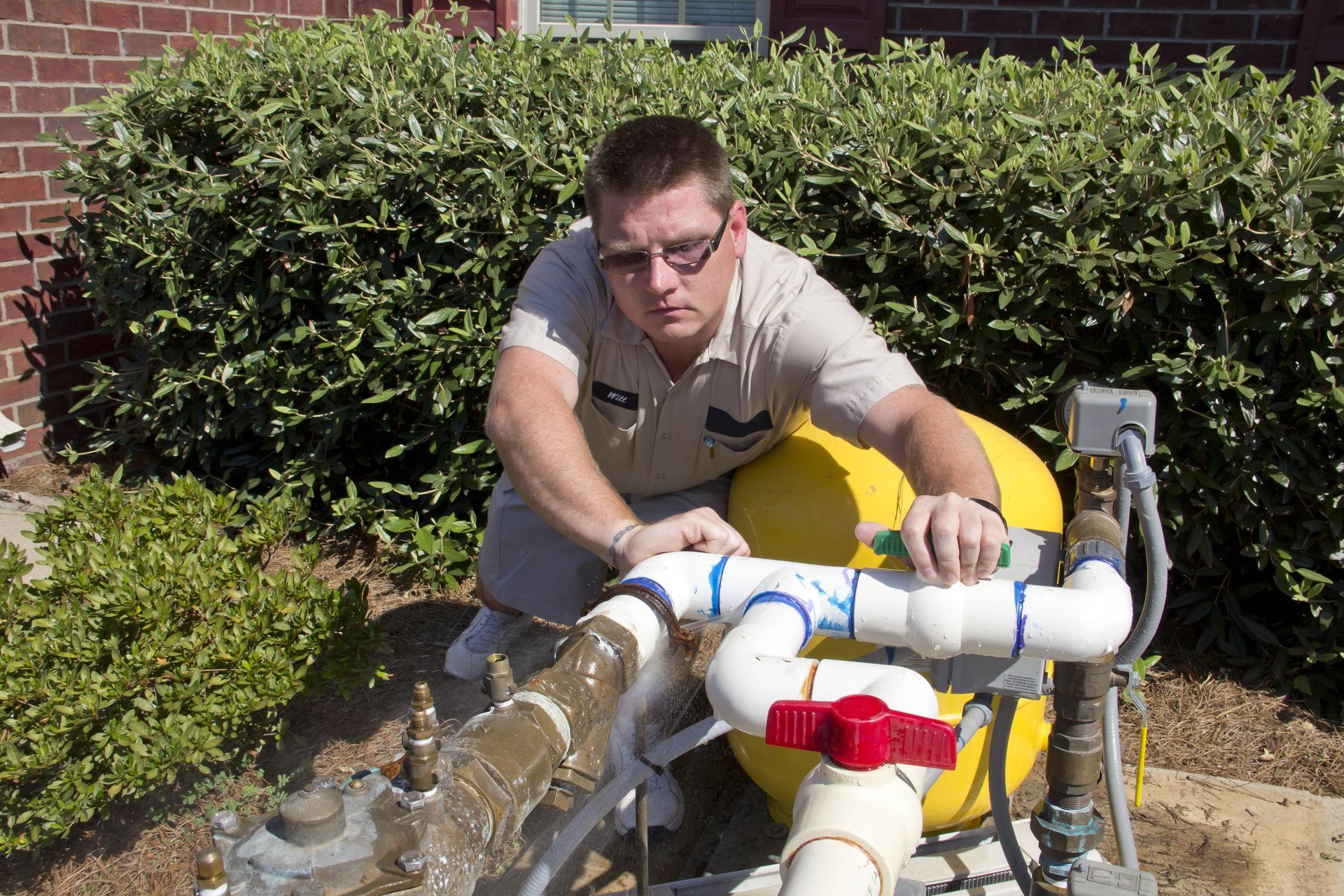
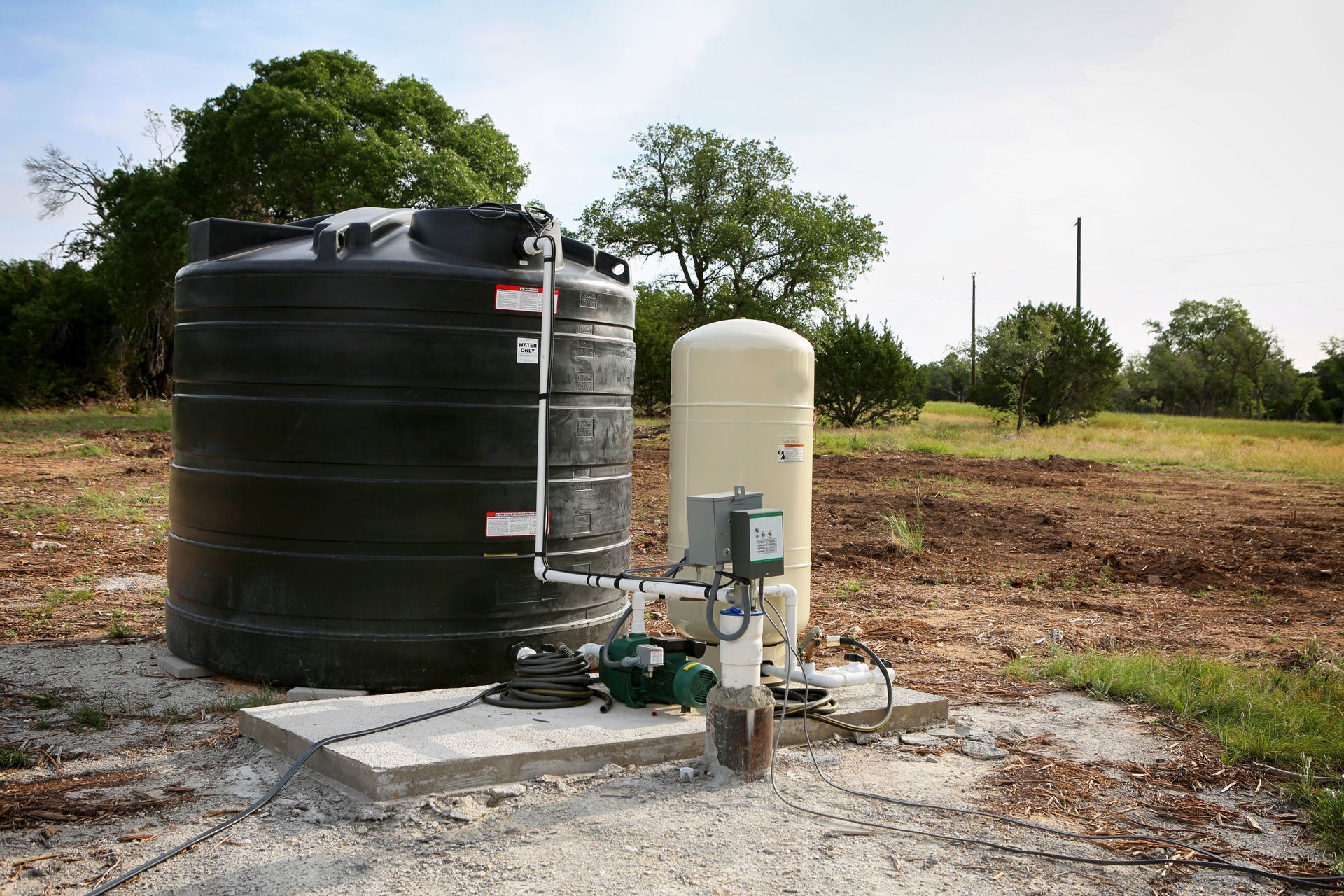
A well pump system relies on several interconnected components working together seamlessly. While the pump itself does the heavy lifting, pressure tanks, switches, piping, and control mechanisms all play essential roles. The pressure tank stores water and helps regulate system cycles, preventing the pump from running more often than necessary. Pressure switches ensure water is delivered at consistent levels, protecting plumbing and appliances throughout the home.
Professional well pump services evaluate how these components interact rather than focusing on individual parts in isolation. Even a small issue — such as a worn pressure switch or compromised seal — can disrupt overall performance. Regular assessments help identify imbalances early, allowing adjustments before the water supply becomes inconsistent or unreliable.
Modern systems may also include digital sensors that track pressure, flow, and run time. These tools provide valuable insight into system health and usage patterns. When paired with routine services, digital monitoring supports proactive maintenance strategies rather than reactive repairs. Understanding how these components work together empowers homeowners to recognize when professional attention is needed and why comprehensive system care matters.
Knowing When Professional Service Is Needed
Well pump systems rarely fail without warning. More often, they communicate through subtle changes that can easily be overlooked during busy routines. Signs such as fluctuating water pressure, longer wait times for hot water, or unusual sounds from the system indicate that professional services may be needed. Addressing these signals promptly helps prevent strain on the pump and associated components.
Ignoring early warning signs can lead to increased stress on the system, which often results in more complex service needs later. Professional evaluations focus on identifying root causes rather than temporary fixes. This approach helps restore system balance while minimizing disruption to daily water use.
Experienced well pump services also help homeowners understand whether issues are isolated or part of broader system wear. With newer pumps offering digital performance feedback, service professionals can often pinpoint inefficiencies with greater accuracy. Knowing when to call for service — and acting early — helps maintain reliable water access and protects the long-term value of the system.
Understanding Installation and System Planning
Proper installation lays the foundation for long-term system performance. Factors such as well depth, household water demand, and site conditions all influence how a pump system should be configured. Professional well pump services take these variables into account to ensure equipment is positioned and calibrated correctly from the start. Thoughtful planning helps prevent pressure inconsistencies and unnecessary wear.
System planning also considers future needs. Changes such as household expansion or increased water usage can place additional demands on a pump system. Evaluating these possibilities during installation helps create flexibility and reduces the likelihood of premature upgrades. This forward-looking approach supports both performance and efficiency.
Modern planning often includes evaluating digital monitoring options, especially as more pumps incorporate smart features. These tools enhance visibility into system operation and support long-term care strategies. By working with experienced services, homeowners benefit from systems designed to perform consistently today while adapting smoothly to tomorrow’s demands.
Maintaining Performance Through Ongoing Care
Routine system care plays a critical role in maintaining steady water flow and avoiding unexpected disruptions. Scheduled well pump services focus on evaluating pressure levels, component condition, and overall system performance. These evaluations help identify wear patterns early, reducing the likelihood of sudden service interruptions.
Ongoing care also supports energy efficiency by ensuring the pump operates within optimal parameters. When systems are properly balanced, they cycle less frequently and experience less strain. This contributes to longer equipment life and smoother daily operation.
With the growing use of digital monitoring tools, maintenance strategies are becoming more data-informed. Performance trends can highlight gradual changes that may otherwise go unnoticed. When combined with regular services for the well pump, this proactive approach supports reliability and minimizes uncertainty. Consistent care ensures the system continues to meet household needs without disruption.
Planning for Long-Term Water Reliability
A well pump system is more than equipment — it’s a core part of your home’s infrastructure. Planning for long-term reliability means understanding how usage, technology, and maintenance all intersect. Professional well pump services support this planning by helping homeowners stay ahead of wear and adapt to evolving needs.
As pump technology continues to advance, features like digital monitoring offer new ways to manage water systems effectively. These tools provide valuable insight into performance while supporting informed service decisions. Long-term planning ensures systems remain dependable even as demands change.
Staying proactive with well pump services helps homeowners avoid surprises and maintain confidence in their water supply. If you’re ready to protect your system and ensure dependable water access, contact Capital City Well Drilling Pump Services Inc to schedule your appointment today.