October 14, 2026
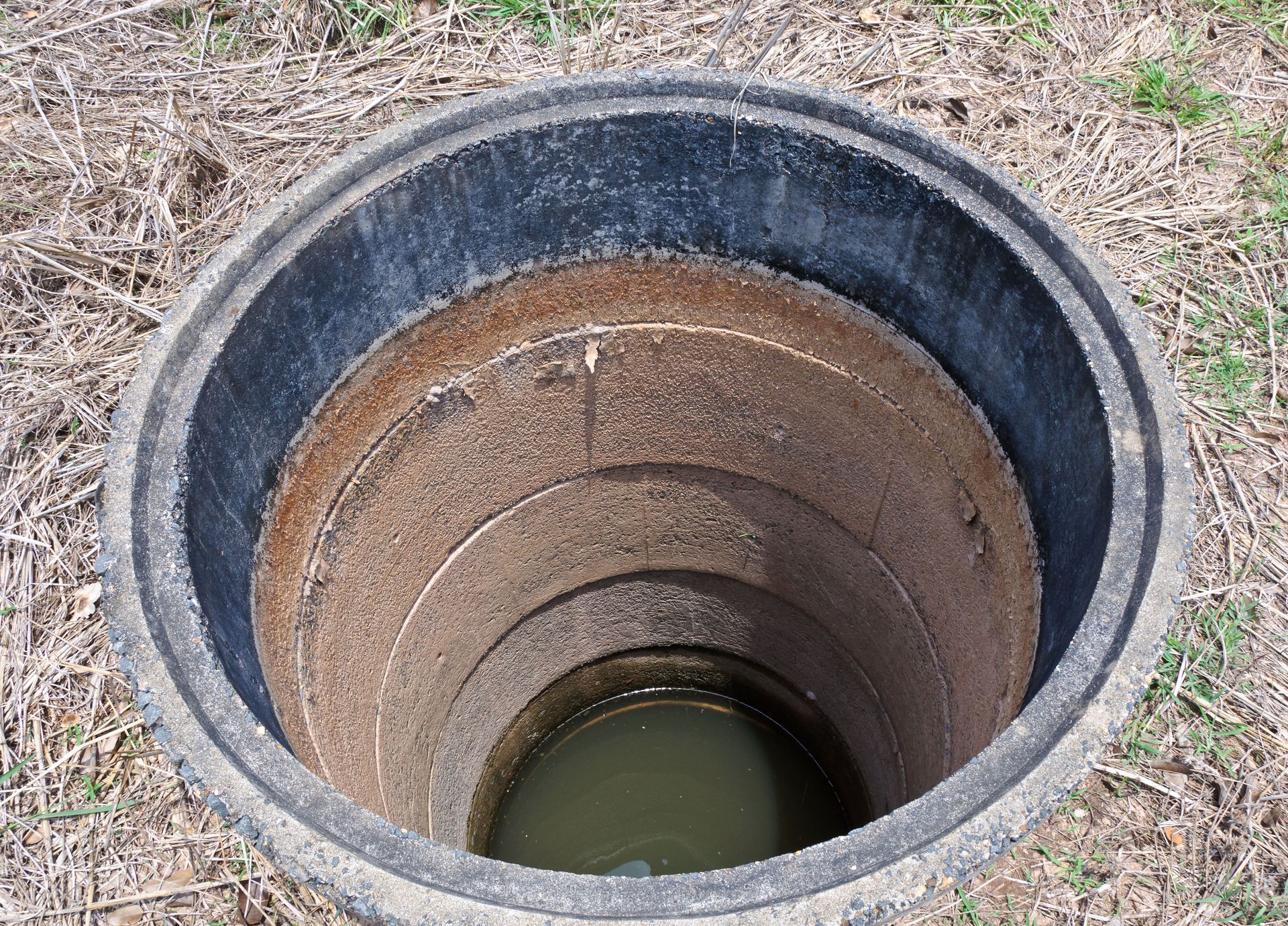
A private well provides an important source of water for homes, farms, and other properties, but it is not always immune to changing conditions. Over time, a well may begin producing less water, experience periods of low pressure, or struggle to keep up with the property's daily demands. In some cases, these problems may indicate that the well needs to reach a deeper or more productive water-bearing formation.
Professional well deepening can be one potential solution when an existing well no longer provides a dependable supply. Rather than immediately abandoning the current well and starting over, deepening may allow professionals to extend the well farther underground in an effort to access additional groundwater. However, determining whether this approach is appropriate requires specialized evaluation and equipment.
In this article, we will explore why wells can experience declining production, how professional deepening works, what factors influence the process, and why working with experienced professionals is important.
Understanding Why Well Production Declines
A decrease in water production does not necessarily mean that a well has permanently failed. Groundwater conditions can change for several reasons, including seasonal fluctuations, prolonged periods of drought, increased demand, and changes in the surrounding water table.
A well may also produce less water because its existing depth no longer reaches an adequately productive portion of the aquifer. Sediment buildup, mineral deposits, or other physical issues may contribute to reduced performance as well.
Before recommending well deepening, a professional should investigate the underlying cause of the problem. Testing and inspection can help determine whether the issue involves the well itself, the pump system, groundwater availability, or another factor. This evaluation helps prevent property owners from investing in a solution that may not address the actual problem.
Exploring the Benefits of Greater Depth
One potential advantage of well deepening is the opportunity to reach groundwater at a greater depth. Depending on the property's geology, deeper formations may provide access to water that is more consistently available than the existing source.
Deepening an existing well may also allow property owners to continue using an established well location and infrastructure rather than abandoning it entirely. However, the results depend heavily on local geological conditions. Going deeper does not automatically guarantee a higher yield.
Professionals must consider factors such as the property's geology, existing well construction, surrounding groundwater conditions, and the depth of potentially productive formations. These considerations help determine whether extending the well is technically feasible and worthwhile.
Understanding How Professional Deepening Works
The well deepening process generally begins with an assessment of the existing well. Professionals may review construction records, examine available production information, inspect equipment, and evaluate the surrounding geological conditions.
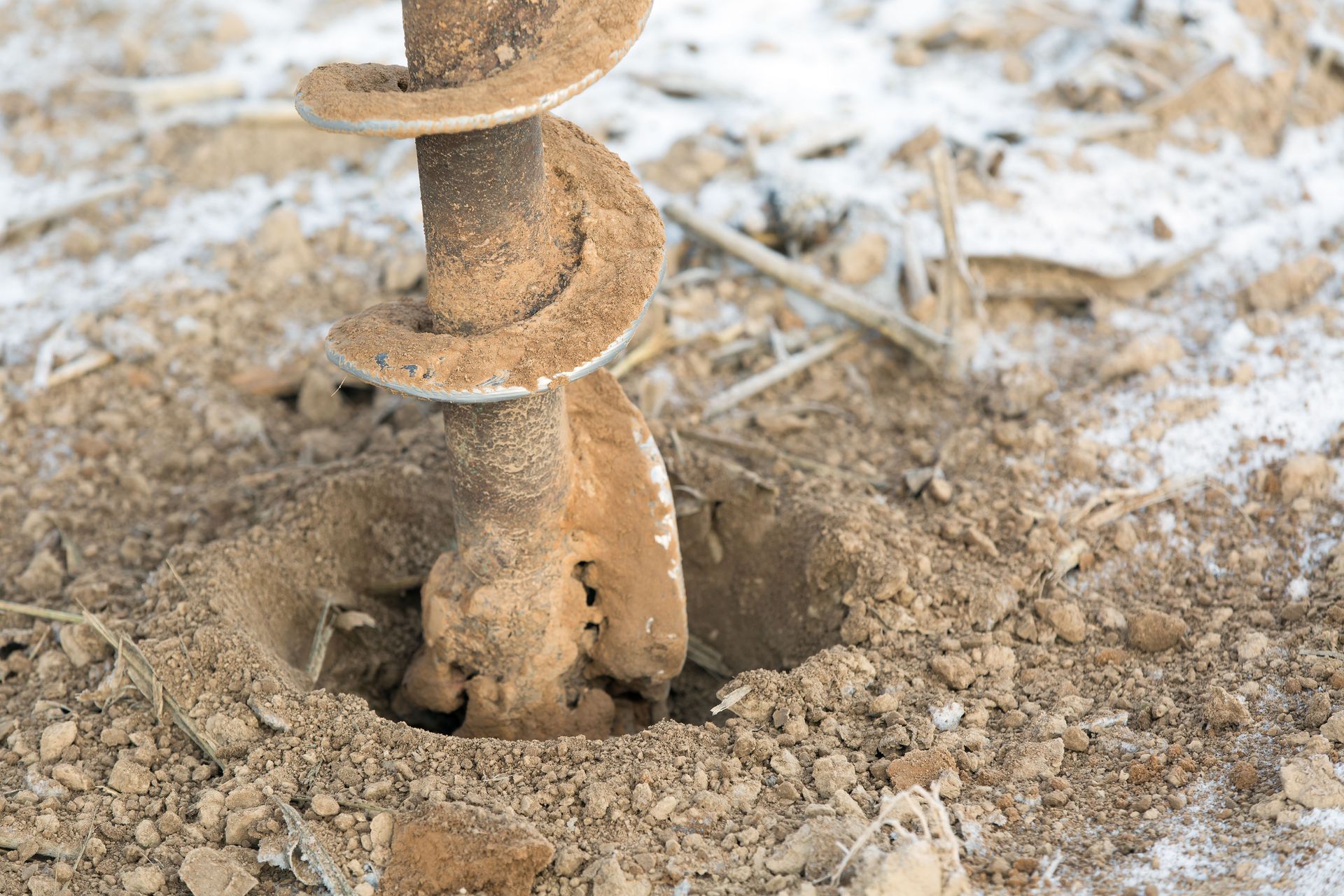
If deepening appears appropriate, specialized drilling equipment can be used to extend the existing well farther underground. The exact techniques involved depend on the well's construction, depth, diameter, geological formation, and other site-specific factors.
Additional work may also be necessary to maintain the structural integrity of the well. Proper casing, sealing, and other components help protect the well and maintain its functionality. Because every well has different characteristics, the process should be planned around the individual property's conditions rather than treated as a one-size-fits-all project.
Considering the Growing Role of Deep Well Equipment
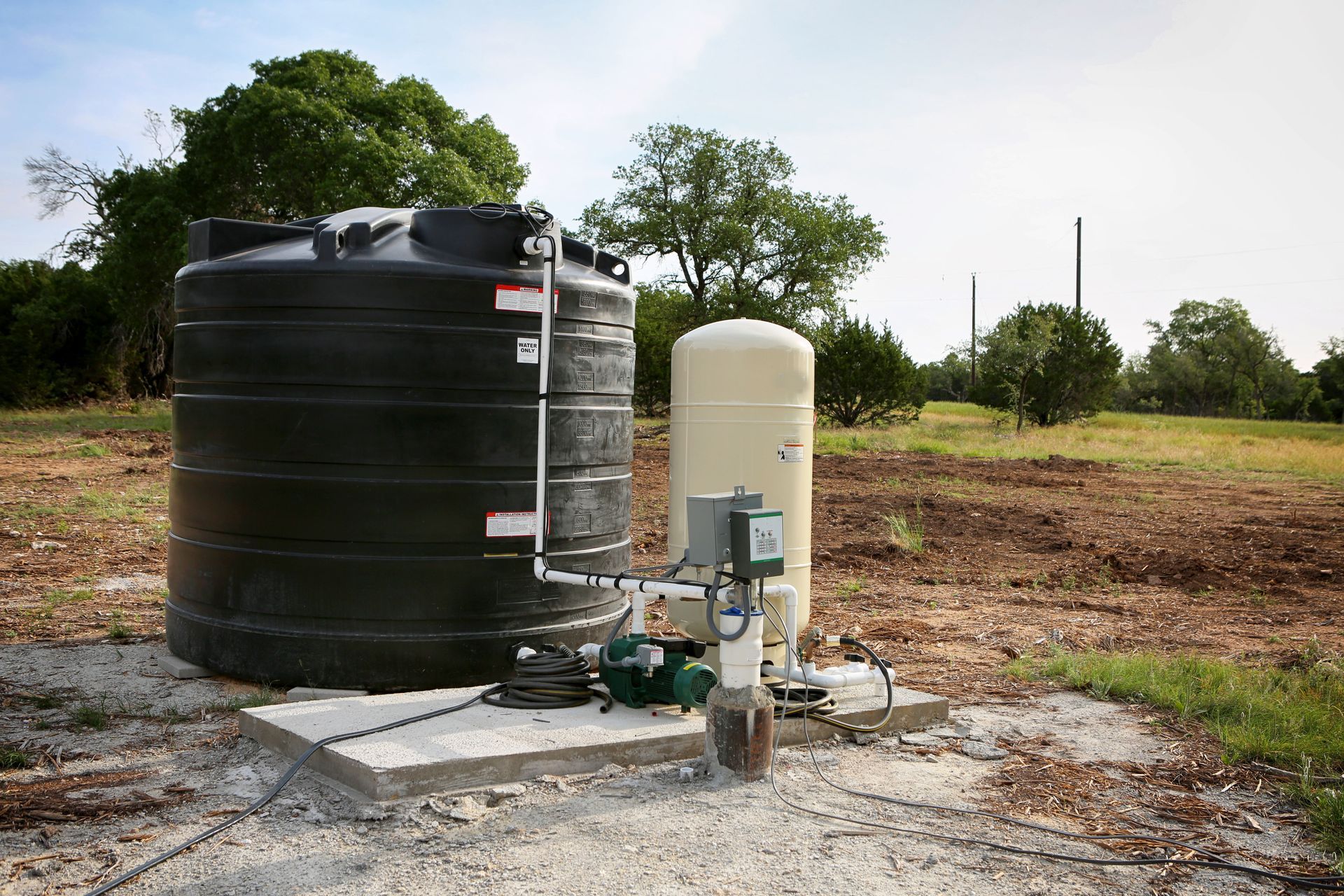
Modern equipment plays an important role in accessing and delivering groundwater from greater depths. Pumps must be capable of moving water from the well to the property's plumbing system while meeting the demands of the application.
The broader market for this equipment also reflects continued demand for deeper groundwater systems. According to Business Research Insights, the global deep well pump market was valued at approximately $3.58 billion in 2024 and is projected to reach $5.06 billion by 2033, representing a compound annual growth rate of 3.8%. This growth illustrates the continued importance of equipment designed to support water extraction from deeper underground sources.
When considering well deepening, it is important to look beyond the drilling itself. The pump and other components must work effectively with the completed well. An experienced professional can help determine whether existing equipment can continue to meet the property's needs or whether upgrades may be necessary.
Evaluating Whether Deepening Is Appropriate
Not every low-producing well is a candidate for well deepening. A professional evaluation is essential because local geology ultimately determines whether additional water may be available below the existing well.
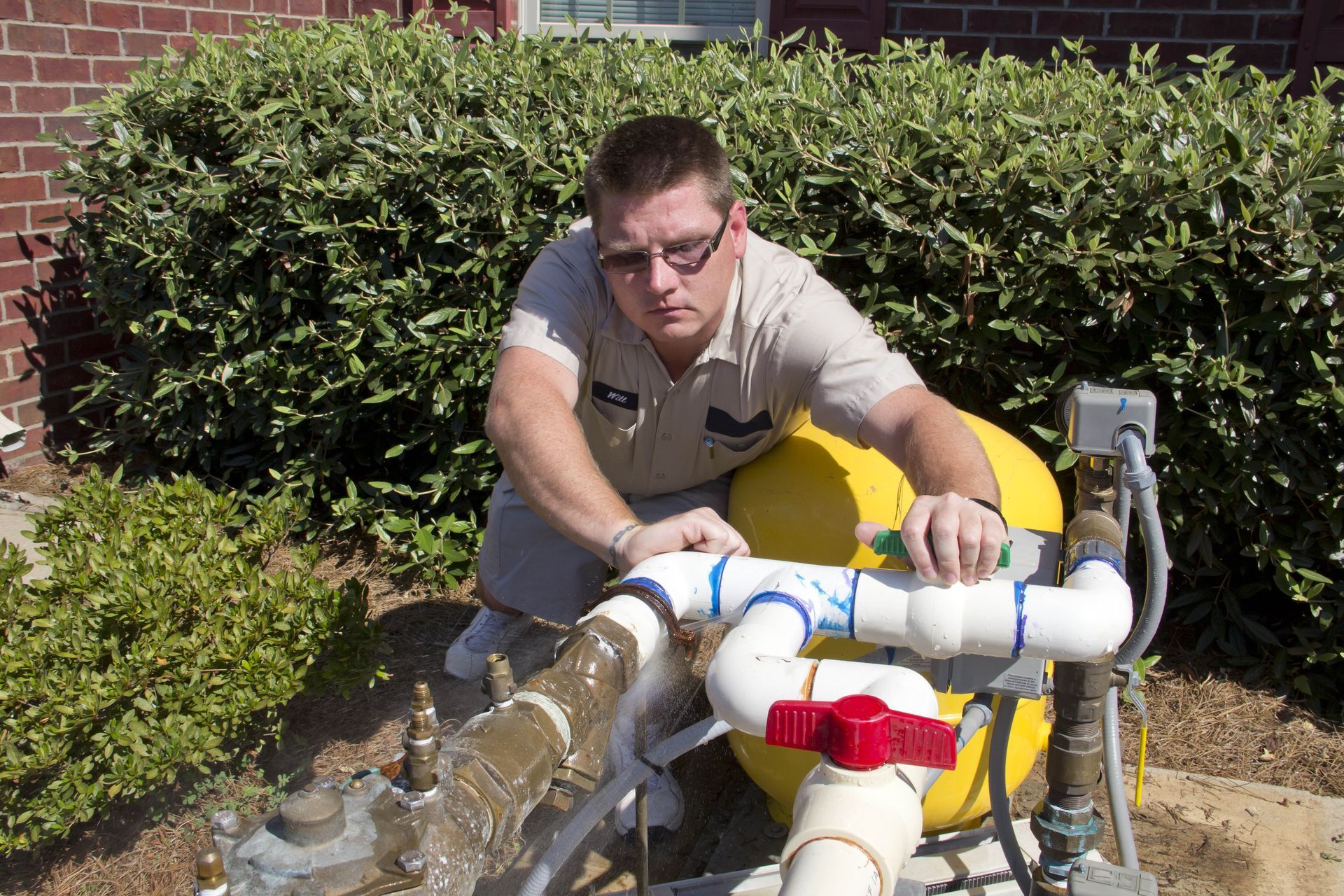
Other solutions may sometimes make more sense. For example, a pump problem could create symptoms that resemble a declining water supply. Maintenance, repairs, cleaning, or other improvements may resolve the issue without requiring additional drilling.
In other situations, deepening may offer a practical way to improve access to groundwater. Professionals can consider the available information and explain the potential benefits, limitations, costs, and risks before work begins.
Preparing for the Deepening Process
Property owners can make the process easier by gathering any available information about their existing well. Records showing the original depth, construction details, pump specifications, and previous maintenance may provide useful information during the evaluation.
It is also helpful to explain when the water problems began and whether they are constant or seasonal. Details such as low pressure, changes in water clarity, unusual pump behavior, or periods when the well runs dry can help professionals understand what may be happening.
A thorough evaluation before well deepening begins can also help establish realistic expectations. While increasing depth may improve water access in some circumstances, no responsible professional should guarantee a particular water yield without considering the site's geological conditions.
Protecting Your Long-Term Water Supply
A well is a long-term investment, so maintaining it properly can be just as important as addressing an immediate water shortage. Routine inspections, appropriate pump maintenance, and attention to changes in water production can help property owners identify potential problems earlier.
If declining production becomes a recurring concern, professional well deepening may be worth investigating. Addressing the issue with an experienced contractor can help determine whether extending the existing well is practical or whether another solution is more appropriate.
Understanding the difference between a temporary water shortage and a long-term decline can also help with planning. A well that performs differently during a particularly dry season may require a different response than one that has steadily lost production over several years. Keeping records of water levels, pump performance, and recurring problems can give professionals valuable information when assessing the system and determining what type of service may be appropriate.
Property owners should also pay attention to local groundwater conditions. Seasonal changes and extended dry periods can influence water availability, making it especially important to understand how an individual well responds to changing conditions.
A well that is struggling to provide enough water does not necessarily mean that the entire system needs to be abandoned. Depending on the property's geological conditions and the cause of the declining supply, well deepening may provide an opportunity to reach a more productive groundwater source while continuing to use the existing well location.
The key is to begin with a professional assessment rather than assuming that greater depth will automatically solve the problem. Evaluating the well, groundwater conditions, equipment, and potential alternatives can help property owners make an informed decision about the next step.
If your well is producing less water than it once did, contact Capital City Well Drilling Pump Services Inc to evaluate the system and determine whether well deepening could help restore a more dependable water supply.